Our Mission
The mission of SWFLMEC is to create a world-class music education center where neurodivergent musicians who have strong a affinity or interest in music will receive specialized music education, career training, and life skills, preparing them for meaningful growth opportunities that enrich their lives and the community as a whole.
The Need For Specialized Services
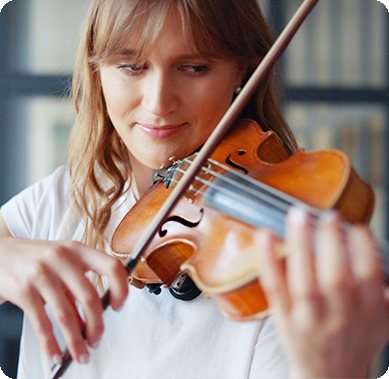
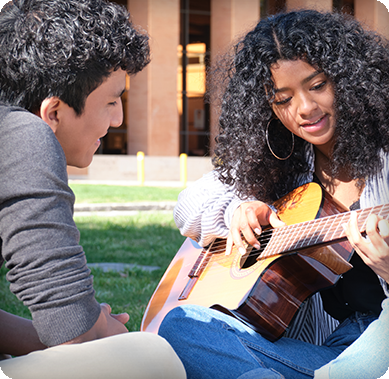

It is well documented that most neurodivergent young adults face significant challenges in post-secondary education, preparing to enter the workforce and living independently. The Southwest Florida Music Education Center is here to help them overcome those challenges.
Who We Serve
The Southwest Florida Music Education Center serves neurodivergent young adults (ages 16-28) with a broad range of diagnoses and abilities who are passionate about music. Our students typically have:
- Extensive years (4-6+) of major instrument study, with or without a formal teacher.
- An ability to independently self-regulate and sustain attention in lessons, rehearsals, and performances.
- The capacity to follow all program guidelines including music, voice, daily schedules, and more.
Typical Student Profile:
Students who enroll at the Southwest Florida Music Education Center (SWFLMEC) are passionate about music and driven to achieve excellence in a supportive, inclusive environment.
- Our students are committed to personal growth. Some of our students are members of school bands, orchestras, or ensembles. Working musicians may be enrolled as full- or part-time students and/or already performing and recording music independently.
- Our students require accommodations or support for the application and enrollment process, learning strategies and communication, and social or living supports.
- Our programs are individualized, with coursework and supports to help each student grow and thrive at an appropriate pace as they prepare for careers in music, the creative arts, and related fields while engaging with the community for real-life work and performance experience.
Common diagnoses include:
- Autism Spectrum Disorder (ASD)
- Learning Disability (LD)
- Social (pragmatic) Communication Disorder (SCD)
- Other forms of neurodiversity
Additional diagnoses may be considered through the application process.
Defining Neurodiversity
Neurodiversity refers to neurodevelopmental differences which include autism (autistic spectrum), ADHD, learning disabilities, and other cognitive differences. These differences are not deficits, but rather fascinating ways of being. Many neurodivergent young adults are talented, bright, and creative individuals who have unique abilities and learning needs. Our programs are designed to empower neurodivergent students so they can pursue meaningful growth opportunities and participate fully in all aspects of campus, work, and community life.